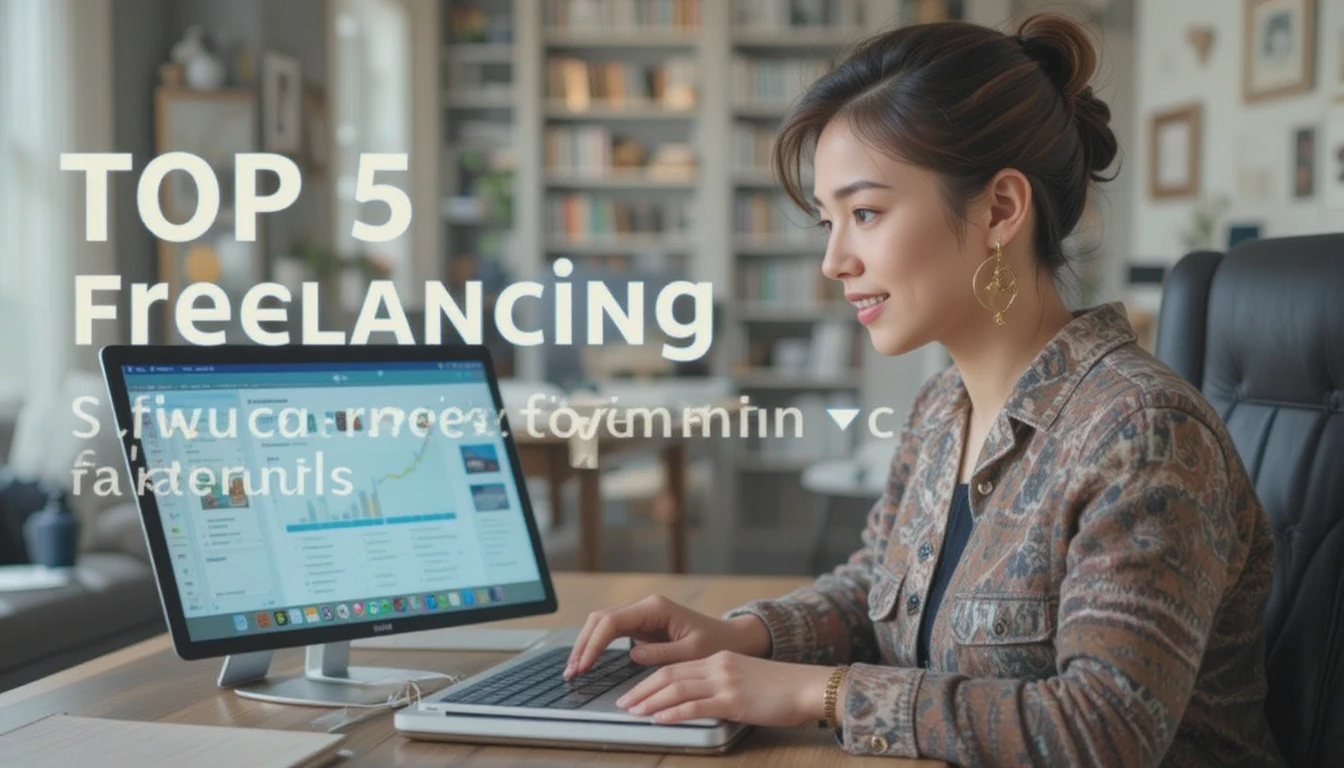
Aaj ke digital era me freelancing online earning ka sab se popular tareeqa ban chuka hai. Bohat se log ghar baithe clients ke liye kaam kar rahe hain aur achi income kama rahe hain.
Freelancing ka sab se bada benefit yeh hai ke aap apni skills ko use karke duniya bhar ke clients ke sath kaam kar sakte ho.
Is article me hum 5 freelancing skills discuss karenge jo beginners ke liye bhi achi earning opportunity ban sakti hain.
1. Graphic Design
Graphic design online freelancing me bohat demand me hai. Har business ko apni branding ke liye design ki zaroorat hoti hai.
Graphic designers yeh services offer karte hain:
- Logo design
- Social media posts
- Banner design
- YouTube thumbnails
Agar aap Canva, Photoshop ya Illustrator use karna seekh lein to freelancing start kar sakte hain.
2. Content Writing
Content writing ek aur popular freelancing skill hai. Websites aur companies ko apni marketing ke liye content ki zaroorat hoti hai.
Content writers yeh type ka content likhte hain:
- Blog articles
- Website pages
- Product descriptions
- Social media captions
Agar aapki English ya Urdu writing strong hai to aap is field me quickly grow kar sakte hain.
3. Video Editing
YouTube aur social media ke rise ki wajah se video editors ki demand bohat zyada ho gayi hai.
Video editing tools:
- Adobe Premiere Pro
- Final Cut Pro
- CapCut
Agar aap editing seekh lein to aap YouTubers aur businesses ke liye videos edit karke earning kar sakte hain.
4. Web Development
Web development freelancing me sab se high-paying skills me se ek hai.
Web developers websites create aur manage karte hain.
Popular skills:
- HTML
- CSS
- JavaScript
- WordPress
Agar aap web development seekh lein to freelancing platforms par achi income earn kar sakte hain.
5. Digital Marketing
Digital marketing businesses ko online grow karne me help karta hai.
Digital marketing me aap yeh services de sakte hain:
- Social media marketing
- SEO services
- Facebook ads
- Google ads
Yeh skill aaj kal bohat demand me hai aur is se freelancing income bhi achi hoti hai.
Conclusion
Freelancing ek powerful tareeqa hai online earning start karne ka. Agar aap ek achi skill seekh kar us par focus karein to freelancing se aap part-time ya full-time income generate kar sakte hain.
Shuru me learning par focus karein, phir freelancing platforms par apni profile create karein aur clients se projects lena start karein.
About the Author